
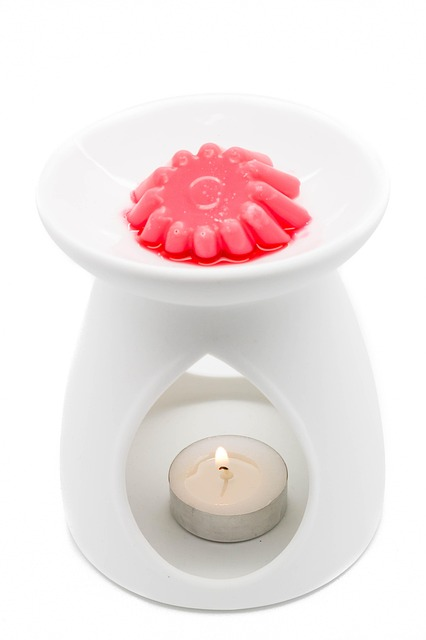
When we talk about non-toxic wax melts, we’re talking about two things at once: what’s better for the air in your home, and what’s better for the planet. Those aren’t always the same conversation, and we think it’s worth having both honestly. Here’s a straightforward look at what goes into our melts, what that means for the environment, and where we’re still working to do better.
The Wax: Soy Over Paraffin, Every Time
The single biggest environmental decision in any wax melt or candle is the wax itself, and the difference between soy and paraffin is significant.
Paraffin, which is used in the majority of mass-market products, is a byproduct of petroleum refining. It’s derived from crude oil, a non-renewable resource, and when burned or heated, it can release volatile organic compounds, including benzene, toluene, and formaldehyde, into your indoor air. It’s also non-biodegradable, and paraffin wax can persist in the environment for a very long time after disposal.
We use soy wax, and the distinction matters. Soy wax is derived from soybeans, a renewable crop that’s replanted and harvested annually. It’s fully biodegradable, meaning it breaks down naturally without leaving harmful residue in the environment, unlike petroleum-based waxes, which can take centuries to decompose. Soy wax production also generates a meaningfully lower carbon footprint than paraffin, both because soybeans are a plant-based crop and because soybean plants absorb carbon dioxide as they grow.
On the indoor air quality side, soy wax consistently produces less soot and far fewer harmful emissions than paraffin when heated, which matters whether you’re burning a candle or warming a melt.
One honest note: soybean farming at an industrial scale has been linked to deforestation and land-use concerns in some regions, and not all soy is sourced in the same way. It’s a real consideration, and one we’re mindful of when sourcing. A clean wax type still depends on responsible agricultural practices.
The Fragrance: Non-Toxic, Phthalate-Free Oils
Wax is only part of the story. Fragrance in any scented product is where many hidden environmental and health concerns lie.
Many conventional fragrance oils contain phthalates, a family of chemicals used to extend scent longevity. Phthalates are endocrine disruptors, and they don’t just affect the person using the product; they enter the air and, eventually, the broader environment. The word “fragrance” on a label can legally represent dozens of undisclosed chemicals, which makes transparency in this area especially important.
Our fragrance oils are non-toxic, phthalate-free, and free from Proposition 65 ingredients. That means no hormone-disrupting chemicals warming into your home’s air, and less chemical load entering the environment through disposal and evaporation. We’re committed to fragrance that performs beautifully without the hidden cost.
The Color: Cosmetic-Grade Mica
We use cosmetic-grade mica pigment to give our melts their color, which is the same class of mineral pigment used in skincare and makeup products. Mica is a naturally occurring mineral, and cosmetic-grade mica is refined to meet strict safety standards for purity and particle size.
From a health standpoint, mica is non-toxic and carries a low hazard rating. From an environmental standpoint, it’s a naturally derived mineral rather than a synthetic dye, which means no petroleum-based colorants enter the product or the air.
The honest caveat: mica mining, particularly natural mica, has raised ethical and environmental concerns in some parts of the world, including habitat disruption and, in some supply chains, labor practices that fall short of acceptable standards. This is an area of ongoing attention in the industry, and sourcing matters. Synthetic mica, produced in controlled lab environments, is an increasingly common alternative that addresses many of these concerns. It’s something we continue to evaluate as we develop our products.
The Packaging: Recyclable Clamshells and Paper Bags
Our wax melts come in recyclable plastic clamshells. We want to be straightforward about this: plastic is not the most glamorous environmental choice, and we know it. But recyclable plastic used once and properly recycled generates less overall waste than a candle vessel that requires significant effort to clean before it can be recycled, and that many people simply throw away.
The clamshell is lightweight, uses minimal material, leaves no wax residue when disposed of, and can go directly into your recycling bin. Please do recycle them, as it’s the step that closes the loop.
Our samples come in paper bags with a small plastic window, which are fully recyclable. If you’re trying a new scent for the first time, that paper packaging is one of the lower-footprint ways to do it.
The Warmer: A One-Time Investment
One of the underappreciated environmental advantages of wax melts over candles is the warmer itself. You buy it once, and it lasts for years. Compare that to candles, where you’re purchasing a new glass vessel, metal hardware, and a wick every single time, most of which end up in the trash once the candle is spent, even with the best intentions.
An electric warmer also eliminates combustion entirely, which means no soot, no combustion byproducts, and no open flame consuming fragrance oils and releasing their byproducts into the air.
The Honest Bottom Line
We chose soy wax, non-toxic fragrance oils, and mica pigment because they are better choices than conventional alternatives for your health and the planet. We use recyclable clamshells because they generate less waste in practice than the alternatives, and paper bags for samples because they biodegrade completely.
Are we perfect? No. Soy sourcing, mica supply chains, and plastic, even recyclable plastic, all have room for improvement, and we’re paying attention. Sustainability isn’t a destination you arrive at; it’s a direction you keep moving in. We’re committed to that direction, and we’ll keep being transparent about where we are on the journey.
What you can do right now: recycle your clamshells, reuse your warmer, and choose products — from us and anyone else — where the brand can actually tell you what’s in them.